The Security Challenges That Come With High-Traffic Buildings
When a property has constant movement throughout the day, every entry point, lobby interaction, delivery, visitor check-in, parking area, and common space becomes part of the security operation.
The challenge is not only keeping people safe. It is keeping the property organized, responsive, and professionally managed while large numbers of residents, employees, visitors, vendors, and guests move through the building.
For properties using professional security guard services across New Jersey, high-traffic environments require security programs built around visibility, access control, communication, and operational flexibility.
At Security USA® Inc., we work with properties that need security teams capable of managing both protection and daily building flow without disrupting the tenant or visitor experience.
High-Traffic Properties Have More Access Points to Manage
The more people entering and leaving a property, the more important access control becomes.
High-traffic buildings often involve:
- main entrances
- side doors
- service entrances
- loading docks
- parking garages
- elevator banks
- visitor check-in areas
- employee access points
If these areas are not managed properly, unauthorized access becomes easier and response becomes more difficult.
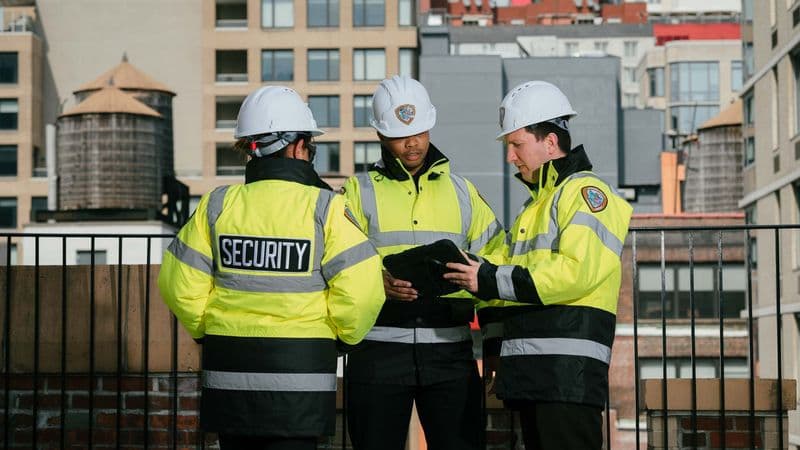
This is why many high-traffic properties rely on security guard services to maintain visible presence, monitor entry points, assist with visitor flow, and help enforce site-specific access procedures throughout the day.
A building with heavy traffic does not need more confusion. It needs structure.
Visitor Flow Can Quickly Become an Operational Issue
Visitor activity is one of the biggest challenges in high-traffic buildings.
A busy lobby may include tenants, employees, vendors, delivery personnel, contractors, clients, guests, and maintenance teams arriving within the same window of time.
Without clear procedures, visitor flow can create:
- lobby congestion
- delayed check-ins
- unauthorized access
- frustrated tenants
- unclear communication
- pressure on front desk staff
- inconsistent guest handling
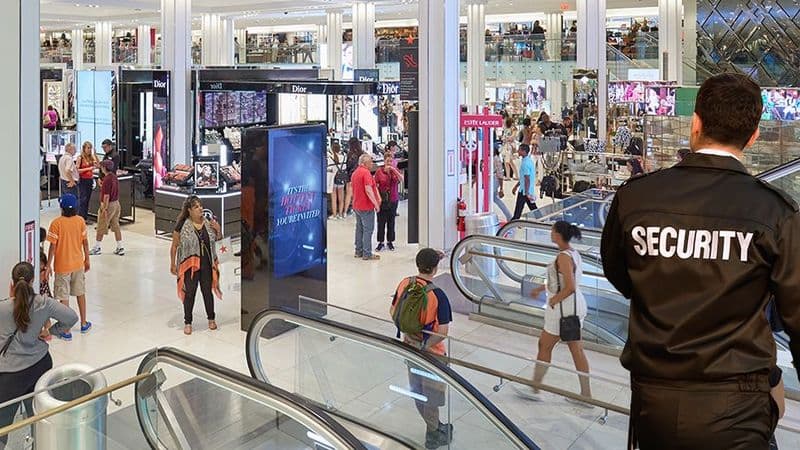
This is especially important in shopping centers, where customer movement, vendor activity, parking areas, and peak traffic periods all require stronger visibility and coordination.
Security teams in high-traffic settings need to help the property remain organized while still maintaining a professional and welcoming environment.
Front Desk and Lobby Presence Matter
In high-traffic buildings, the front desk often becomes the center of daily activity.
It is where visitors ask questions, tenants raise concerns, vendors check in, and issues are often noticed first.
A professional lobby presence helps support:
- visitor coordination
- access control
- tenant assistance
- package direction
- incident awareness
- communication with management
- overall building presentation
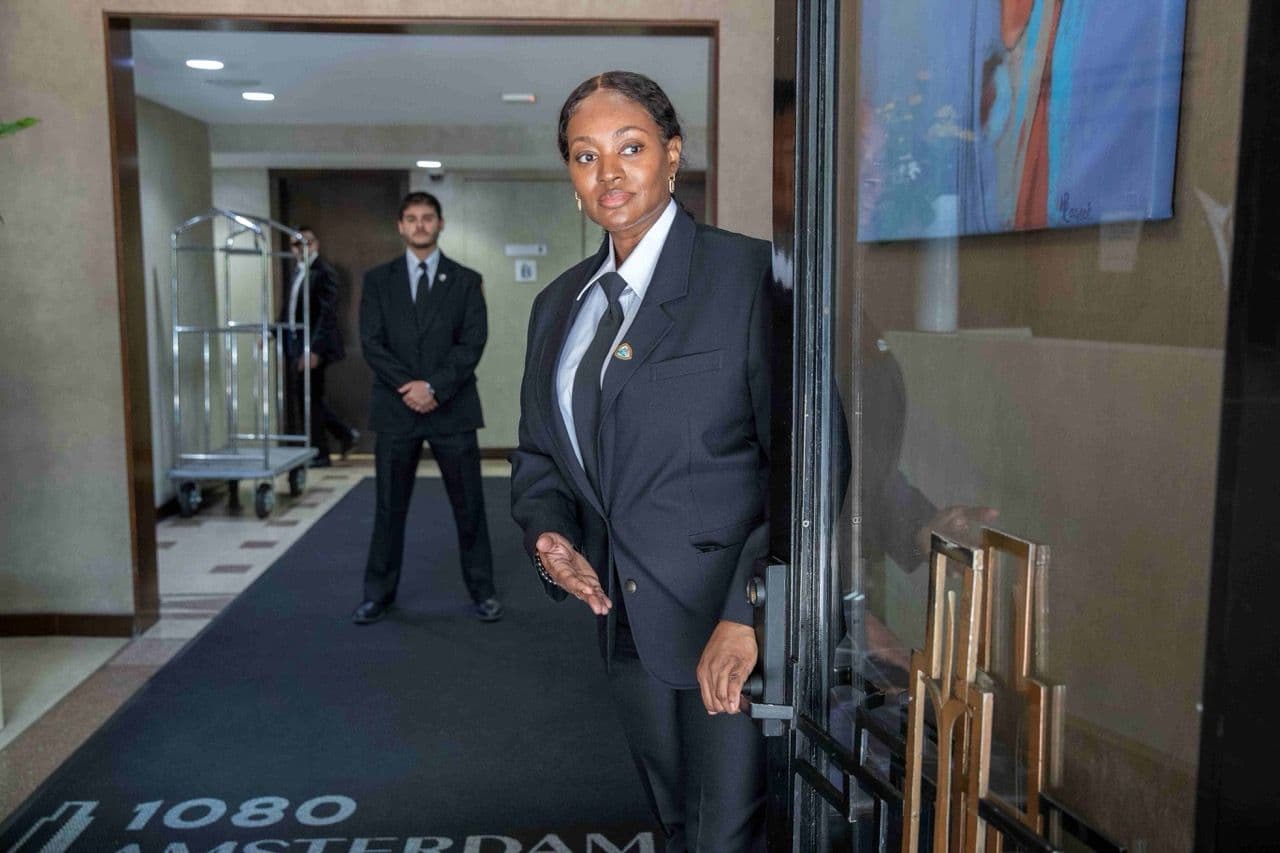
For properties where service experience matters, doorman and concierge services can help balance hospitality, professionalism, and security awareness at the most visible point of the property.
This is particularly important for luxury buildings, commercial lobbies, hospitality properties, and mixed-use environments where the first impression matters every day.
Parking and Arrival Areas Create Added Risk
High-traffic buildings often experience security challenges before people even enter the lobby.
Parking lots, garages, valet zones, rideshare areas, loading docks, and drop-off lanes can create operational pressure throughout the day.
Common concerns include:
- congestion
- unauthorized parking
- vehicle break-ins
- pedestrian safety
- delivery conflicts
- after-hours activity
- tenant complaints
- visitor confusion
For properties that need a more controlled arrival experience, valet parking can support smoother traffic flow, better front-of-property organization, and a more polished arrival process when paired with professional security oversight.
Arrival areas matter because they are often where tenants, visitors, and guests begin forming impressions about the property.
High-Traffic Buildings Require Strong Communication
Security teams in busy buildings must communicate clearly and quickly.
When multiple things are happening at once, weak communication can create confusion between:
- security officers
- front desk staff
- building management
- maintenance teams
- tenants
- vendors
- emergency responders
Communication gaps can lead to delayed response, inconsistent visitor handling, missed details, or tenant frustration.
As discussed in From Thanksgiving to New Year’s: How Businesses Stay Secure During the Busiest Season, periods of increased activity require stronger preparation, coordination, and security awareness to prevent operational pressure from turning into larger problems.
High traffic does not automatically create risk. Poor coordination does.
Hospitality Properties Face Constant Movement
Some property types experience high traffic as part of their normal daily operation.
For example, hotels and motels often involve guests, employees, vendors, event attendees, service providers, delivery personnel, and visitors moving through the property throughout the day and night.
In these environments, security must support:
- guest experience
- lobby visibility
- access awareness
- parking and arrival areas
- incident response
- service professionalism
- after-hours coverage
Security teams must be alert without disrupting the hospitality environment.
The goal is to maintain safety and professionalism while allowing the property to function smoothly.
Temporary Traffic Surges Need a Plan
Not every high-traffic challenge is permanent.
Some properties experience traffic surges during:
- tenant events
- seasonal demand
- conferences
- religious services
- retail promotions
- community gatherings
- construction phases
- emergency situations
These moments can strain a normal security plan if the property is not prepared.
Services such as special event security help properties manage temporary increases in activity by supporting guest flow, entry procedures, crowd awareness, and incident response planning.
As discussed in Planning an Event? Here’s Why Professional Security Matters, events and high-volume gatherings require planning before people arrive, not after the property is already overwhelmed.
High-Traffic Security Needs Real-Time Oversight
Busy properties require security operations that can adapt throughout the day.
Traffic patterns shift. Deliveries arrive unexpectedly. Visitors gather. Parking areas fill. Tenants request assistance. Incidents occur without warning.
For larger high-traffic environments, CentralCore can help support workforce coordination, scheduling visibility, operational reporting, and stronger management oversight.
This matters because high-traffic security is not static.
A strong program should help property managers understand what is happening across the site and where security attention is needed most.
Visibility Helps People Feel More Confident
High-traffic buildings can feel chaotic when security is not visible.
Residents, employees, visitors, and guests want to see that the property is being monitored and managed.
Visible security presence can help:
- reassure tenants and visitors
- deter unwanted activity
- improve response readiness
- support visitor questions
- reduce confusion
- reinforce building professionalism
- strengthen property reputation
In high-traffic settings, visibility is not just about deterrence. It is also about giving people confidence that the property is under control.
Why This Matters Now
Modern buildings are expected to manage heavier traffic while still maintaining safety, convenience, professionalism, and strong tenant experience.
Property managers cannot rely on generic security coverage when the building has constant movement, multiple entry points, parking demands, visitor activity, and changing operational pressure throughout the day.
High-traffic buildings need security teams that understand access control, communication, visibility, visitor flow, and real-time coordination.
When security is structured properly, the property feels safer, more organized, and better managed for everyone who enters.