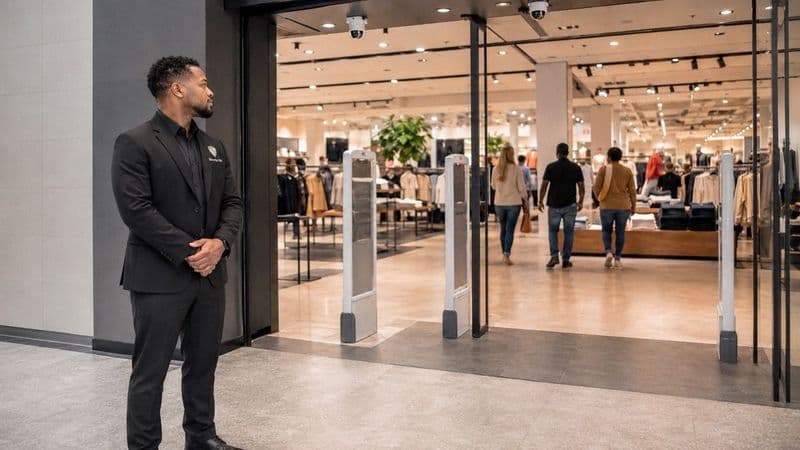

Hospital and Medical Facility Security Services That Support Safer Daily Operations
Staff members need to focus on care. Visitors need direction. Patients need privacy and safety. Vendors, contractors, and deliveries still have to move through the property without disrupting the facility.
That creates a security environment where calm matters just as much as control.
For healthcare properties using New York security and property protection services, the right security team can help protect patients, staff, visitors, and daily operations without making the facility feel tense or difficult to navigate.
At Security USA® Inc., we help healthcare and medical properties build security programs around access control, professional presence, communication, emergency response, and patient-facing support.
Healthcare Security Starts With the Front Door
The entrance of a medical facility sets the tone.
It is where patients arrive, visitors ask questions, vendors check in, staff members move quickly, and security concerns often appear first.
A professional security team should help manage:
- patient and visitor flow
- vendor check-ins
- lobby activity
- restricted access points
- after-hours entry
- parking or drop-off concerns
- emergency arrivals
- unusual behavior
- communication with staff
- escalation when needed
In healthcare facilities, security has to be visible without feeling aggressive. The goal is to create order, not anxiety.
A good officer understands when to give clear direction, when to observe quietly, when to de-escalate, and when to involve facility leadership or emergency responders.
Staff Need Security Support They Can Trust
Healthcare staff already carry a lot of responsibility.
They should not have to manage every disruptive visitor, access concern, parking issue, or after-hours security question on their own.
Professional security guard services can help support staff by providing a trained presence that understands the facility’s procedures and knows how to respond when something feels off.
That support can matter during:
- visitor disputes
- restricted area concerns
- suspicious activity
- after-hours incidents
- patient or family frustration
- vendor confusion
- employee safety concerns
- parking lot issues
- emergency response situations
Security does not replace healthcare staff. It helps protect the environment so staff can stay focused on care.
Access Control Matters More in Medical Environments
Not every area of a medical facility should be easy to enter.
Some spaces may involve patient information, medication storage, employee-only areas, administrative offices, equipment rooms, treatment spaces, loading areas, or sensitive operations.
Access control needs to be clear and consistent.
A strong healthcare security plan should define:
- who can enter restricted areas
- how visitors are verified
- how vendors check in
- how after-hours access is handled
- which doors need monitoring
- how staff report access concerns
- what happens when someone refuses to follow procedures
Modern CCTV and access control systems can help support visibility around entrances, corridors, parking areas, waiting rooms, and restricted zones.
But the technology is only one part of the plan. Security personnel still need clear procedures, good communication, and training that fits the healthcare environment.
De-Escalation Is a Critical Part of Healthcare Security
Medical facilities often deal with emotionally charged situations.
Patients may be worried. Family members may be upset. Visitors may be confused by rules. Staff may be under pressure. Small misunderstandings can escalate quickly if they are handled poorly.
That is why healthcare security requires patience, communication, and judgment.
A professional officer should know how to:
- stay calm under pressure
- give clear instructions
- avoid unnecessary confrontation
- recognize when a situation is escalating
- contact the right staff member
- document the incident properly
- support response without disrupting care
As discussed in How Delayed Incident Response Can Increase Property Risk, fast response matters because small issues can become larger risks when they are not handled quickly and professionally.
In healthcare settings, the quality of the response matters just as much as the speed.
Visitor Management Has to Be Clear
Visitor procedures can become a major source of confusion in medical facilities.
A visitor may not know where to go. A family member may try to enter an area that requires approval. A vendor may arrive at the wrong entrance. A delivery may need direction. A patient may need help navigating the property.
Security teams can help reduce that confusion by supporting:
- check-in procedures
- visitor direction
- identification checks
- vendor access
- after-hours visitor rules
- parking or drop-off guidance
- communication with staff
- escalation when someone refuses to comply
The best visitor management process is clear, respectful, and consistent.
People should understand where they are allowed to go, what the rules are, and who they should speak to if they need help.
Parking Areas and Exterior Spaces Need Attention
Security issues do not stop at the front door.
Parking lots, garages, drop-off areas, ambulance access points, side entrances, employee entrances, and exterior walkways can all create risk.
Healthcare facilities may need security visibility around:
- employee parking
- patient drop-off areas
- visitor parking
- emergency entrances
- loading zones
- after-hours access points
- exterior lighting concerns
- suspicious vehicles
- unattended individuals
- staff leaving late
A strong security plan should account for how people arrive, where they wait, how staff leave after hours, and which areas feel exposed during lower-traffic periods.
Exterior visibility can make a major difference in how safe staff, patients, and visitors feel.
Nursing and Retirement Communities Have Their Own Security Needs
Some healthcare environments are also residential.
In nursing facilities and retirement communities, security has to support residents, families, healthcare staff, visitors, vendors, and property management at the same time.
These properties may need more attention around:
- visitor verification
- resident safety
- wandering concerns
- family communication
- after-hours access
- parking areas
- common spaces
- emergency procedures
- calm front desk support
The security posture should feel professional but not harsh.
Residents and families should feel supported, not monitored in a way that feels uncomfortable.
Communication Keeps the Facility Moving
Poor communication can create serious operational problems in medical facilities.
A security concern that is not reported. A visitor issue that is not escalated. A shift handoff that misses an important detail. A door issue that no one documents. A parking concern that keeps repeating.
These issues can create avoidable stress for staff and management.
As discussed in Why Security Problems Often Start With Poor Communication, communication failures often create larger security and operational problems over time.
A strong healthcare security program should define:
- who security reports to
- how incidents are documented
- when supervisors are contacted
- how urgent issues are escalated
- how staff communicate concerns
- how recurring problems are reviewed
Security should make the facility easier to manage, not harder.
Healthcare Security Should Be Site-Specific
A hospital does not need the same plan as a medical office. An urgent care center does not operate the same way as a retirement community. A specialty clinic may have different risks than a large outpatient facility.
A site-specific plan should review:
- entrances and exits
- visitor flow
- restricted areas
- staff parking
- patient waiting areas
- after-hours activity
- emergency procedures
- vendor access
- exterior spaces
- recurring concerns
- staff feedback
The right security plan should match the facility’s real daily rhythm.
A generic plan may miss the issues that matter most to patients, staff, visitors, and management.
Why This Matters Now
Healthcare facilities are expected to be safe, organized, respectful, and responsive.
Patients and families want calm. Staff need support. Visitors need direction. Management needs visibility. The property needs procedures that hold up during normal activity and stressful moments.
Professional healthcare security helps reduce confusion, protect access points, support staff, document concerns, and create a safer environment for the people using the facility every day.
The best security teams do not make healthcare properties feel locked down.
They make them feel controlled, supported, and professionally managed.