Retail Store and Shopping Mall Security Services That Help Reduce Risk and Improve Daily Operations

That movement is good for business, but it also creates security pressure.
A small access issue, shoplifting concern, parking complaint, disruptive visitor, or delayed response can quickly affect the customer experience, tenant confidence, and daily property operations.
For retail properties using professional security services throughout New Jersey, the right security team can help create a safer, more organized environment without making the property feel tense or difficult to visit.
At Security USA® Inc., we help retail stores and shopping malls build security programs that support visibility, access control, loss prevention, communication, and daily operational control.
Retail Security Starts With Visibility
Retail security is not only about responding after something happens.
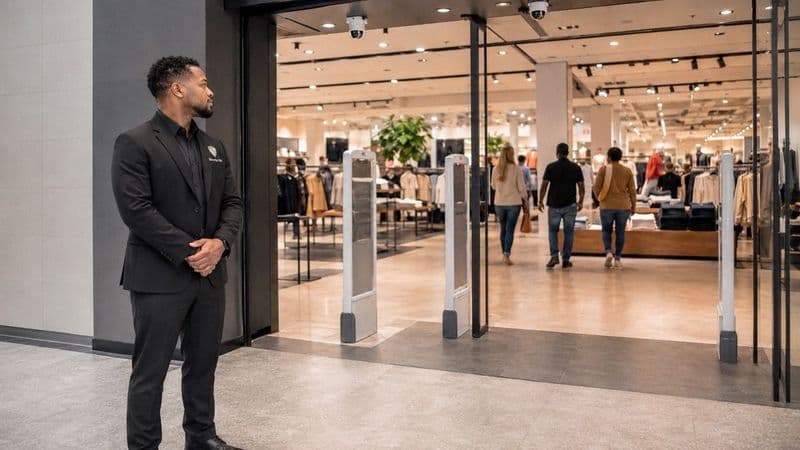
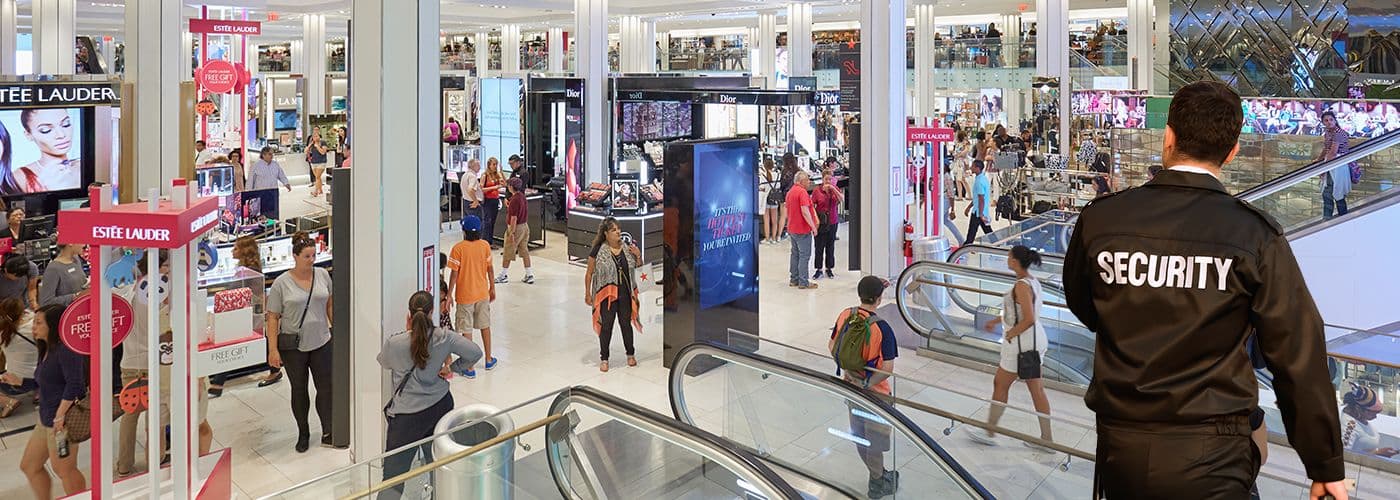
A visible, professional security presence can help discourage problems before they begin.
That matters in areas like:
- entrances
- parking lots
- storefront corridors
- food courts
- loading zones
- common areas
- restrooms
- employee entrances
- back-of-house areas
- after-hours access points
When security is visible and approachable, customers feel more comfortable, tenants feel supported, and property managers gain another layer of awareness throughout the site.
The goal is not to make the property feel guarded in a harsh way. The goal is to make the property feel organized, watched over, and professionally managed.
Retail Properties Need More Than Basic Patrols
A patrol that only walks the property without clear purpose does not create enough value.
Retail security should be built around how the property actually operates.
A strong security plan should consider:
- peak shopping hours
- tenant opening and closing times
- delivery schedules
- parking lot activity
- shoplifting concerns
- loitering complaints
- emergency response procedures
- tenant communication
- holiday traffic
- after-hours access
- recurring incident patterns
Security personnel should know where they are needed most, what they should watch for, how to report concerns, and when to escalate issues.
A retail property with multiple tenants, entrances, and customer points of contact needs more than a general presence. It needs a security team that understands the rhythm of the property.
Customer Experience Still Matters
Retail security has to balance safety with customer experience.
A security officer may need to handle a disruptive person, respond to a shoplifting concern, support a tenant, guide a visitor, observe suspicious activity, or address a parking issue. How that interaction is handled matters.
Professional retail security should be:
- visible
- calm
- respectful
- alert
- consistent
- clear in communication
- trained to de-escalate
- able to document incidents properly
Customers should not feel uncomfortable because security is present. They should feel that the property is controlled and well managed.
That balance is important for shopping malls, retail plazas, grocery centers, luxury retail properties, and high-traffic storefront environments.
Loss Prevention Requires Coordination
Retail theft does not only affect individual stores.
It can affect the overall property environment.
If tenants feel unsupported, if suspicious activity is ignored, or if repeat issues are not documented, property managers may begin hearing the same complaints from multiple businesses.
Security teams can help support loss prevention by:
- maintaining visible patrols
- observing suspicious activity
- documenting incidents
- communicating with tenants
- monitoring common areas
- supporting response when issues occur
- helping identify recurring patterns
As discussed in The Security Challenges That Come With High-Traffic Buildings, more movement creates more chances for confusion, delayed response, and security gaps.
Retail properties need security that can operate in real conditions, not only when the property is calm.
Parking Lots and Exterior Areas Need Attention
Many retail security concerns begin outside the storefront.
Parking lots, garages, delivery areas, sidewalks, entrances, and exterior walkways can create daily pressure for property managers and tenants.
Common issues may include:
- suspicious vehicles
- parking complaints
- loitering
- after-hours activity
- poor lighting concerns
- vendor confusion
- customer disputes
- unattended packages
- delivery congestion
- safety concerns near entrances
A strong retail security program should include exterior visibility, not just interior patrols.
Customers often form their impression of a property before they ever walk into a store. If the parking area feels uncontrolled, the property can feel less safe and less professional.

Access Control Helps Protect Tenants and Staff
Retail properties often have public-facing areas and restricted areas operating side by side.
Customers may move freely through common areas, but back corridors, service doors, loading docks, employee entrances, storage rooms, management offices, and utility spaces require more control.
Modern CCTV and access control systems can help support stronger visibility around entrances, exits, service areas, parking zones, and other key access points.
But technology works best when security personnel understand the procedures behind it.
A camera may show what happened. A trained team can help notice concerns earlier, respond faster, document the issue, and communicate with management.
Retail access control should reduce confusion for tenants, vendors, staff, and visitors.
Holiday and Promotional Periods Need Stronger Planning
Retail properties do not experience the same traffic every day.
Holiday shopping periods, major promotions, tenant events, school breaks, seasonal weekends, and local community activity can all increase foot traffic.
During these periods, security may need to support:
- crowd flow
- parking activity
- entrance visibility
- tenant concerns
- customer disputes
- after-hours activity
- delivery coordination
- emergency response
- closing procedures
For retail properties expecting higher traffic or event-related activity, special event security can help support crowd management, access control, guest movement, parking coordination, and visible security presence.
The right coverage plan should change when the property’s activity changes.
A standard quiet-day schedule may not be enough during the busiest retail periods.
Communication Keeps Retail Properties Moving
Retail properties depend on communication.
Tenants need to know how to reach security. Security needs to know when tenants are opening or closing. Property managers need updates about incidents, complaints, or recurring concerns. Vendors need instructions. Supervisors need reports.
When communication is weak, small problems can keep repeating.
A professional security program should define:
- who tenants contact
- how incidents are reported
- when management is notified
- how urgent issues are escalated
- how shift handoffs are handled
- how recurring problems are reviewed
- how after-hours concerns are documented
As discussed in Why Security Problems Often Start With Poor Communication, communication gaps often create larger operational problems over time.
Security should make the property easier to manage, not harder.
Retail Security Should Be Built Around the Property
Not every retail property needs the same security plan.
A neighborhood shopping plaza does not operate like a regional mall. A grocery-anchored center does not have the same needs as a luxury retail corridor. A mixed-use property may have retail, residential, parking, and public access concerns happening at the same time.
A site-specific retail security plan should review:
- customer traffic
- tenant mix
- entrances and exits
- parking layout
- loading areas
- public and restricted zones
- prior incidents
- recurring complaints
- after-hours activity
- seasonal traffic
- management priorities
The strongest plans are built around the property’s real usage.
Security should not be copied from one retail site to another without understanding the details that make each location different.
Why This Matters Now
Retail property managers and owners are responsible for more than keeping doors open.
They need to support tenant confidence, customer comfort, employee safety, loss prevention, parking flow, vendor movement, incident response, and the overall reputation of the property.
Professional retail security helps reduce friction by creating visibility, structure, communication, and a calmer response when daily issues occur.
The best security teams do not make retail properties feel closed off.
They help make them feel safer, smoother, and easier to operate.