
House of Worship Security Services That Protect Congregations and Daily Operations

A house of worship has to do two things at the same time. It needs to feel open and welcoming to the people who belong there, while still maintaining enough awareness and control to protect congregants, staff, visitors, volunteers, and the property itself. That balance can become difficult when a facility has several entrances, large gatherings, children’s programs, evening activities, deliveries, community events, or people arriving who may not be familiar to staff.
For religious institutions using professional security services throughout New Jersey, the strongest security programs support the environment rather than overwhelming it. At Security USA® Inc., we help houses of worship and religious institutions build security programs around controlled access, visible officer presence, emergency response, facility awareness, and the way the organization actually operates.
Security should support the environment, not change it
Security at a religious institution should not make every person walking through the door feel as though they are entering a restricted facility. At the same time, an open-door environment cannot mean that nobody is paying attention to who enters, where they go, or what is happening around the property.
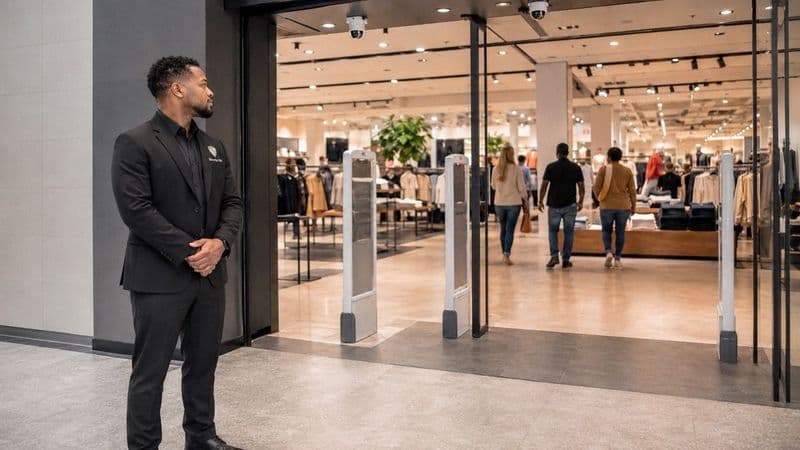
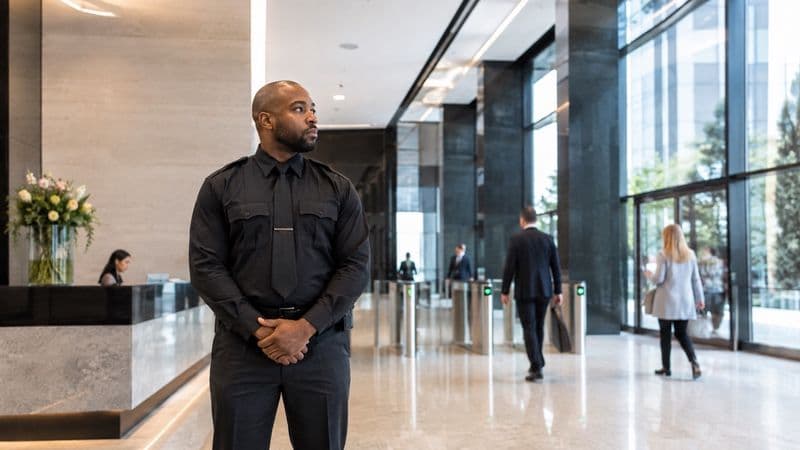
A professional security officer can provide that balance. The officer may greet people, observe entrances, assist visitors, monitor activity, answer questions, and maintain awareness without creating unnecessary tension. That presence is especially valuable when staff and volunteers are already focused on services, programs, administration, and the needs of the congregation. The goal is not to make security the center of attention. It is to make sure someone is paying attention.
Entrances are the first point of awareness
Many houses of worship have more than one way into the property. There may be a main entrance, side doors, administrative access, school or childcare entrances, delivery points, parking-lot access, and doors used primarily during larger gatherings. Each creates a different access question. During normal business hours, an administrative entrance may need tighter control. During a service, several doors may be active at once. During a community event, unfamiliar visitors may be moving through areas that are normally quieter.
Professional security guard services can help maintain awareness across those changing conditions. The important part is establishing in advance which entrances should be open, which should remain controlled, how visitors are directed, and what staff should do when someone attempts to enter an area where they do not belong.
Security needs change when attendance increases
A normal weekday and a major religious service are two different operating environments. Large services, holidays, weddings, funerals, community programs, fundraisers, and other special gatherings can significantly increase the number of people and vehicles moving through a property. Parking fills faster. Entrances become busier. Staff and volunteers have more responsibilities. Guests may be unfamiliar with the facility. Doors that are normally closed may be opened to improve traffic flow.
Security coverage should adjust with those conditions. The presence that works for a quiet weekday office may not be enough for a service bringing hundreds of people onto the property within a short period of time. Planning for attendance changes allows the institution to increase coverage where it is actually needed instead of treating every day the same.

Children, staff, and volunteers create additional access considerations
Many religious institutions operate much more than a sanctuary or primary worship space. They may include classrooms, childcare areas, administrative offices, kitchens, meeting rooms, event halls, counseling spaces, or community-service programs. That means different groups of people may be using different parts of the building at the same time.
Security procedures should make it clear which spaces are public, which are reserved for members or program participants, and which should be limited to staff or authorized personnel. This is particularly important around children's programs and administrative areas. Access control does not always require making a building feel restrictive. Often, it begins with clear procedures, consistent door management, appropriate credentials, and staff who understand when an unfamiliar person needs assistance or further verification.
Cameras and access control should reinforce the security team
Technology can provide valuable visibility across a religious facility, particularly when the property has several entrances, parking areas, corridors, or buildings. CCTV and access control systems can help management monitor key areas, control selected doors, review incidents, and maintain better awareness of activity around the property. But technology works best when someone understands what to do with the information it provides. A camera can show a person entering a side door. An access-control system can record a credential being used. Neither replaces the judgment required to determine whether the activity is normal, unusual, or requires a response. The strongest programs connect technology with trained personnel and clear procedures.
A practical five-point security check
Religious institutions reviewing their current security program should start with five basic questions:
- Entrance control: Which doors are active during services, normal business hours, programs, and special events?
- Property awareness: Who is responsible for monitoring entrances, parking areas, common spaces, and unusual activity?
- Restricted spaces: Are administrative offices, children's areas, storage rooms, and other sensitive spaces appropriately controlled?
- Emergency response: Do staff, volunteers, and security personnel know who takes responsibility when an incident occurs?
- Changing conditions: Does security coverage adjust for large services, holidays, community events, and other periods of increased activity?
These questions help reveal whether the security plan reflects how the property is actually being used.

Staff and volunteers should know what happens next
One of the biggest weaknesses in any security program is uncertainty. A staff member notices something unusual but does not know whom to call. A volunteer encounters an unfamiliar person in a restricted hallway but is unsure whether to intervene. An incident occurs in the parking lot and nobody is clear about who should document it. Those moments become easier to manage when responsibilities are established before they happen.
Security personnel should have clear escalation procedures, and staff should know how to quickly reach them. This is also why periodic security reviews matter. As programs, schedules, personnel, and facility use change, procedures that made sense a year ago may no longer match the property. Our Security Risk Assessment Services: What Property Managers Should Expect article explains why effective assessments need to consider the actual way people, access points, staffing, and technology interact across a property.
The right security presence should feel steady
People attending a service should not have to spend their time thinking about security. They should be able to worship, attend programs, volunteer, meet with others, and use the facility comfortably. That does not mean security should be absent. It means the program should be well managed enough that protection becomes part of the environment rather than a disruption to it. Professional officers, sensible access procedures, appropriate technology, clear communication, and site-specific planning can provide a stronger level of protection while preserving the welcoming atmosphere that matters to the organization.
Build security around the way your facility operates
Every religious institution is different. A small neighborhood congregation may have very different requirements from a large multi-building campus with hundreds of attendees, a school, community programs, and frequent events. The right security plan should reflect those differences. If your house of worship or religious institution needs professional security officers, stronger entrance control, improved facility oversight, or a review of its existing security program, Security USA® Inc. can help.