
Quality Assurance Services That Strengthen Security and Loss Prevention

Hiring security officers is only the beginning of a security program. Once coverage is in place, management still needs to know whether officers are arriving on time, following post orders, maintaining professional standards, documenting incidents properly, and carrying out the responsibilities assigned to the site. At the same time, some businesses need another layer of oversight inside their own operations. They may be dealing with unexplained shrinkage, inconsistent employee procedures, customer-service concerns, or activity that is difficult for management to observe directly.
That is where quality assurance becomes valuable. For organizations using professional security services across Long Island, quality assurance can provide additional visibility into both security performance and broader operational concerns. At Security USA® Inc., our quality assurance services support two important areas: maintaining standards across security operations and helping businesses identify loss-prevention and employee-integrity vulnerabilities.
Why quality assurance carries so much weight
A security program can look strong on paper and still weaken over time. An officer begins arriving a few minutes late. Patrols become inconsistent. Reports lose detail. Post orders are interpreted differently from one shift to another. Small service issues go unnoticed until the client begins experiencing a larger problem. Quality assurance helps prevent that drift.
Regular supervision and site-level oversight give management a way to confirm that the security program being delivered matches the program that was originally designed. It also creates accountability for the officers themselves. When personnel know that supervisors are actively reviewing performance, visiting sites, addressing deficiencies, and communicating with management, standards are much easier to maintain.
Guard supervision should be continuous
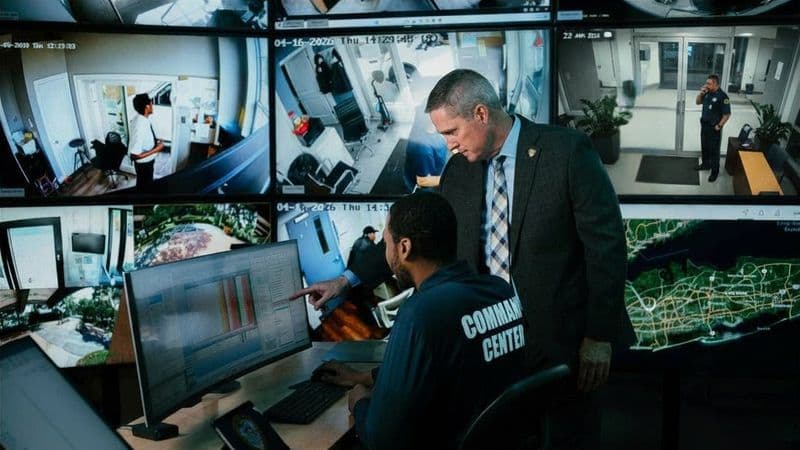
Security officers should not be placed at a property and then left to operate with minimal oversight. Effective quality assurance means checking what is happening after deployment. That includes reviewing officer performance, professional appearance, attendance, post-order compliance, patrol activity, incident reporting, and how officers interact with employees, residents, customers, visitors, and management.
Supervision also helps identify problems that may not require replacing an officer. Sometimes the issue is unclear post instructions. Sometimes a schedule needs to change. A reporting procedure may need improvement. Management expectations may have evolved since the original security plan was created. Quality assurance gives those issues a path back to the security provider before they become recurring problems.

A practical five-point quality assurance check
A strong security quality assurance program should answer five basic questions. These checks give management a clearer picture of whether officers are meeting expectations consistently across every shift. They also help supervisors identify small performance issues before they become recurring service problems. The goal is not simply to document what is happening, but to create a reliable process for maintaining standards and accountability over time.
- Attendance and coverage: Are officers arriving as scheduled, remaining at their assigned posts, and maintaining uninterrupted coverage?
- Post-order compliance: Are officers carrying out the specific duties and procedures established for the property?
- Professional standards: Are appearance, conduct, communication, and interactions consistent with the client’s expectations?
- Reporting and accountability: Are patrols, incidents, unusual activity, and shift information being documented clearly and consistently?
- Corrective action: When a problem is identified, is it addressed quickly and followed through until the issue is resolved?
Quality assurance becomes most valuable when those checks lead to action rather than simply another report.
Better supervision creates a more consistent security program
Consistency is one of the biggest differences between simply having security coverage and having a professionally managed security program. Property managers should not have to repeatedly discover staffing problems themselves or call the provider whenever an officer stops following procedure. Supervisory oversight should catch many of those issues first. That can involve scheduled and unannounced site visits, communication with property management, review of officer activity, evaluation of documentation, and follow-up when performance does not meet expectations.
The purpose is not to create unnecessary layers of management. It is to make sure the security operation continues working the way it was designed to work. This is also where operational technology can strengthen supervision. Our proprietary integrated guard management system CentralCore USA supports scheduling, accountability, and real-time operational oversight, giving management greater visibility into the security workforce.
Quality assurance can also reveal problems inside the business
Security personnel are not the only area where quality assurance applies. Businesses may also need an objective view of their own employees, customer interactions, transaction procedures, inventory controls, or service standards. Management cannot personally observe every shift or every interaction.
Depending on the concern, Security USA® Inc. can support clients through mystery or silent shoppers, employee-integrity observations, surveillance support, and other loss-prevention measures designed to provide a clearer picture of what is actually happening. The objective should be specific. A retailer experiencing unexplained shrinkage needs a different quality assurance program from a hospitality business evaluating customer service or a company concerned about an employee-integrity issue.

Loss prevention requires understanding where the loss begins
Retail loss is not limited to someone walking out of a store with merchandise. Employee theft, transaction irregularities, procedural failures, inventory problems, fraud, and external theft can all contribute to shrinkage. That is why simply adding more visible security may not solve the underlying problem. Quality assurance and loss prevention work best when they help management determine where the vulnerability actually exists.
As we discussed in Retail Theft and Shrinkage Statistics Every Property Manager Should Know, shrinkage can have several causes, and the right response depends on understanding which risks are affecting the property. For retail stores and shopping centers, that may mean combining trained security personnel, surveillance, operational review, and discreet loss-prevention measures rather than relying on any one solution.
The best quality assurance programs close the gap
The real purpose of quality assurance is accountability. For a security program, that means confirming that officers and supervisors are meeting the standards promised to the client. For a business operation, it means helping management see problems that may otherwise remain hidden. Both serve the same larger purpose: identifying gaps early enough to correct them.
A strong quality assurance process does not wait for a major complaint, repeated service failure, significant loss, or serious incident before asking what went wrong. It provides the oversight needed to catch smaller warning signs first.
Strengthen the operation before small problems become larger ones
Security coverage should not operate on autopilot. Neither should loss prevention. If your property needs stronger security supervision, better officer accountability, help identifying operational weaknesses, or support with loss-prevention and employee-integrity vulnerabilities, Security USA® Inc. can build a quality assurance program around the issues that matter to your operation.