
What Makes a Security Team Reliable During High-Pressure Situations
Most security programs can appear organized when conditions are calm. The true test happens when something unexpected occurs, such as an emergency, disturbance, access issue, fire watch concern, workplace incident, large crowd, or after-hours security event.
In those moments, reliability depends on far more than having personnel on-site.
It depends on training, communication, supervision, decision-making, escalation procedures, and the ability to stay composed when conditions change quickly.
For properties using security guard and patrol services across Florida, reliable security coverage during high-pressure situations can directly affect tenant safety, operational continuity, and property reputation.
At Security USA® Inc., we work with properties that need security teams prepared to respond professionally when normal daily operations become more demanding.
Reliable Security Teams Stay Calm Under Pressure
The first sign of a reliable security team is composure.
During a high-pressure situation, tenants, residents, employees, visitors, and vendors often look to security personnel for direction. If the security team appears uncertain or disorganized, the situation can become more stressful very quickly.
Reliable officers are trained to remain calm, assess the environment, communicate clearly, and follow established procedures.
This matters during situations such as:
- workplace disturbances
- medical emergencies
- unauthorized access attempts
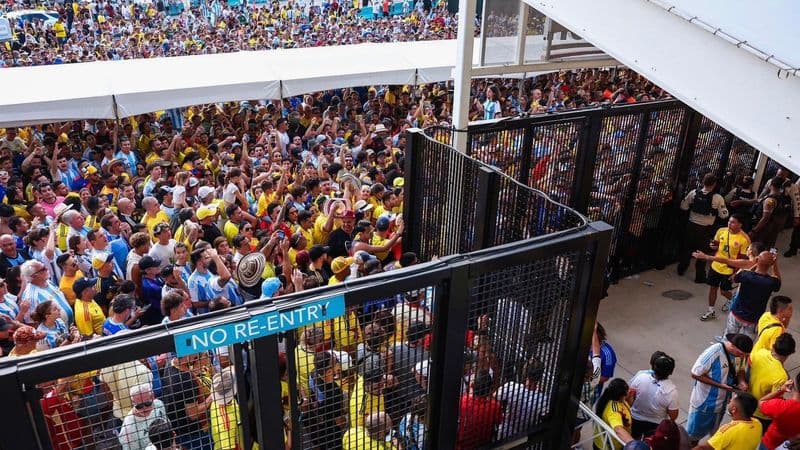
- large crowd movement
- fire alarm activations
- after-hours incidents
- construction site disruptions
- parking lot conflicts
Calm response does not happen by accident. It comes from training, supervision, and a security program built around clear operational expectations.
Training Makes the Difference Before an Incident Happens
A security team cannot become reliable during a crisis if the proper training and expectations were not established beforehand.
Professional security teams should understand:
- site-specific procedures
- emergency protocols
- communication channels
- escalation steps
- access control responsibilities
- reporting expectations
- when to involve law enforcement or emergency services
This is especially important in properties where temporary surges in activity can create additional pressure.
For example, special event security requires planning around crowd control, entry points, guest flow, incident response, and coordination with property management before an event begins.
When training is handled properly, officers are not guessing when pressure increases. They are following a structured plan.
Communication Must Be Clear and Immediate
High-pressure situations often become worse when communication breaks down.
Reliable security teams know how to communicate quickly and clearly with:
- property managers
- supervisors
- tenants or residents
- emergency responders
- internal security personnel
- front desk teams
- maintenance or building staff
Poor communication can delay response, create confusion, and reduce confidence in the security operation.
Strong communication is especially important for larger environments where multiple areas of the property may be affected at once.
As discussed in Security and Emergency Preparedness, effective preparation depends on having clear procedures in place before an emergency occurs.
Security teams perform best when everyone understands who needs to be notified, what information must be shared, and how the situation should be escalated.
Supervision Keeps the Response Organized
Even experienced officers need support from strong supervision.
During high-pressure situations, supervisors help maintain coordination, review conditions, support decision-making, and ensure the property receives accurate communication.
Reliable supervision can help answer critical questions quickly:
- What happened?
- Who is involved?
- Is the situation contained?
- Does the property need additional support?
- Should emergency services be contacted?
- What areas need immediate attention?
- How should tenants or residents be informed?
This is where professionally managed quality assurance services can help strengthen the overall security operation by reviewing performance standards, identifying gaps, and improving procedures before major issues occur.
A security team without active supervision may still respond, but the response is often less organized and harder for property managers to evaluate afterward.
Fire and Life Safety Situations Require Specialized Readiness
Some high-pressure situations require more specialized preparation.
Fire alarms, fire watch requirements, system impairments, evacuation concerns, and building safety issues all demand personnel who understand the seriousness of the assignment.
Properties that require fireguard services need trained personnel capable of maintaining fire watch responsibilities, monitoring affected areas, documenting activity, and following proper safety procedures.
For properties with more complex fire and life safety requirements, Fire Life Safety Directors can also play an important role in supporting emergency preparedness, evacuation coordination, and building safety protocols.
These roles are especially important because high-pressure fire safety situations leave very little room for confusion or delay.
Certain Properties Face Higher Operational Pressure
Some environments naturally experience more high-pressure conditions than others.
For example, construction sites may involve expensive equipment, restricted areas, after-hours access concerns, contractor movement, deliveries, and safety risks that require stronger security awareness.
Security teams in these environments need to understand how to monitor access, identify suspicious activity, protect materials, and respond to incidents without disrupting the site’s operations.
Similarly, social organizations and shelters may require security personnel who can remain calm, respectful, and professional in sensitive situations where communication and de-escalation are especially important.
A reliable security team adapts to the environment instead of applying the same response style everywhere.
De-Escalation Skills Matter
Not every high-pressure situation requires forceful action.
In many cases, the most reliable security teams are those that can prevent a situation from becoming worse.
De-escalation may involve:
- calm verbal communication
- maintaining distance
- controlling tone
- identifying the source of conflict
- redirecting individuals
- contacting supervisors
- documenting behavior
- knowing when to escalate
As discussed in 4 Ways a Security Guard Can Prevent Workplace Violence, security personnel can play an important role in recognizing warning signs and helping reduce risk before a situation becomes more serious.
Reliability is not only about reacting quickly. It is also about preventing unnecessary escalation.
Professional Judgment Separates Strong Teams From Average Ones
High-pressure situations often involve incomplete information.
A reliable security team must make sound decisions while conditions are still developing.
This requires:
- situational awareness
- good judgment
- training
- communication
- familiarity with the property
- understanding of escalation procedures
For certain higher-risk situations involving executives, VIPs, or sensitive business environments, executive protection services may be appropriate to provide a more specialized level of planning, discretion, and personal security support.
The key is understanding what level of protection the situation actually requires.
Average security teams may simply react. Professional security teams assess, communicate, and respond with structure.
Reporting After the Incident Is Just as Important
A reliable security response does not end when the situation is over.
Property managers need clear documentation afterward.
This may include:
- what occurred
- when it happened
- who was involved
- how security responded
- whether emergency services were contacted
- what actions were taken
- what follow-up may be needed
Strong incident reporting helps property managers evaluate performance, identify patterns, improve procedures, and reduce future risk.
Without proper reporting, even a well-handled situation may leave management without the information needed to make stronger operational decisions later.
Why This Matters Now
Property managers, building owners, and business operators are under increasing pressure to maintain safe, responsive, and professionally managed environments.
Tenants, residents, employees, visitors, and guests expect security teams to respond calmly and effectively when pressure increases.
A reliable security team can help protect people, reduce disruption, support emergency response, preserve property reputation, and give management greater confidence during difficult situations.
The difference between an average team and a professional team becomes clearest when the property needs them most.