What Happens When a Security Company Is Poorly Supervised?
Properties often focus heavily on staffing numbers when evaluating security coverage, but operational oversight is usually what determines whether a security program performs consistently long term.
Without proper supervision, even fully staffed properties can experience communication breakdowns, inconsistent patrols, reporting gaps, weak accountability, and declining service quality.
For many organizations using professional security guard services across New Jersey, strong supervision has become one of the most important factors affecting operational consistency, tenant confidence, and long-term property performance.
At Security USA® Inc., we regularly work with properties transitioning away from poorly managed security programs where the underlying issue was not staffing alone, but lack of operational oversight.
Poor Supervision Often Leads to Inconsistent Coverage
Without active supervision, security operations can become inconsistent very quickly.
This may include:
- missed patrols
- delayed incident response
- communication gaps
- incomplete reporting
- unverified activity
- scheduling inconsistencies
- weak escalation procedures
Over time, these issues can reduce both property protection and tenant confidence.
As discussed in 5 Signs Your Property Has Outgrown Basic Security and What to Do Next, many operational problems begin gradually before becoming larger long-term performance issues.
Properties with weak supervision structures frequently struggle to maintain service quality across multiple shifts and personnel changes.
Accountability Becomes Difficult Without Oversight
One of the biggest operational problems with poorly supervised security programs is lack of accountability.
If supervisors are not actively reviewing activity, verifying patrols, monitoring incidents, and maintaining communication with officers, operational gaps often go unnoticed until larger problems occur.
Strong security supervision helps ensure:
- officers remain engaged
- incidents are documented properly
- patrols are completed consistently
- issues are escalated quickly
- operational standards are maintained
This is one reason many larger properties perform ongoing risk assessment services to identify operational weaknesses before they begin affecting tenants, residents, or overall property performance.
Reporting Quality Often Declines
Weak supervision frequently affects reporting quality.
Many poorly managed security programs produce reports that are incomplete, delayed, inconsistent, or lacking operational detail.
For property managers, this creates reduced visibility into what is actually happening on-site.
Professional reporting should help track:
- incidents
- patrol activity
- maintenance concerns
- visitor issues
- suspicious activity
- operational disruptions
Without supervision reviewing these processes consistently, reporting standards often decline over time.
This becomes especially important for properties operating within financial institutions and banking environments, where documentation, accountability, and operational consistency are often critical requirements.
Tenant Experience Can Be Affected Quickly
Poorly supervised security programs often affect more than operational performance alone.
Tenants, residents, visitors, and employees quickly notice when security operations appear disorganized or inconsistent.
This may include:
- unprofessional lobby presence
- delayed response times
- poor communication
- inconsistent visitor management
- weak access control enforcement
- lack of visible patrol activity
As discussed in How Security Impacts Property Value and Leasing Performance, operational inconsistency can directly affect tenant satisfaction, leasing performance, and overall property perception over time.
Without strong supervision, maintaining professionalism consistently across shifts becomes significantly more difficult.
Technology Alone Cannot Replace Management
Technology can help improve operational visibility, but it cannot fully compensate for weak supervision.
Many properties today use:
- surveillance systems
- access control
- patrol tracking
- reporting platforms
- remote monitoring systems
However, systems still require active operational management behind the scenes.
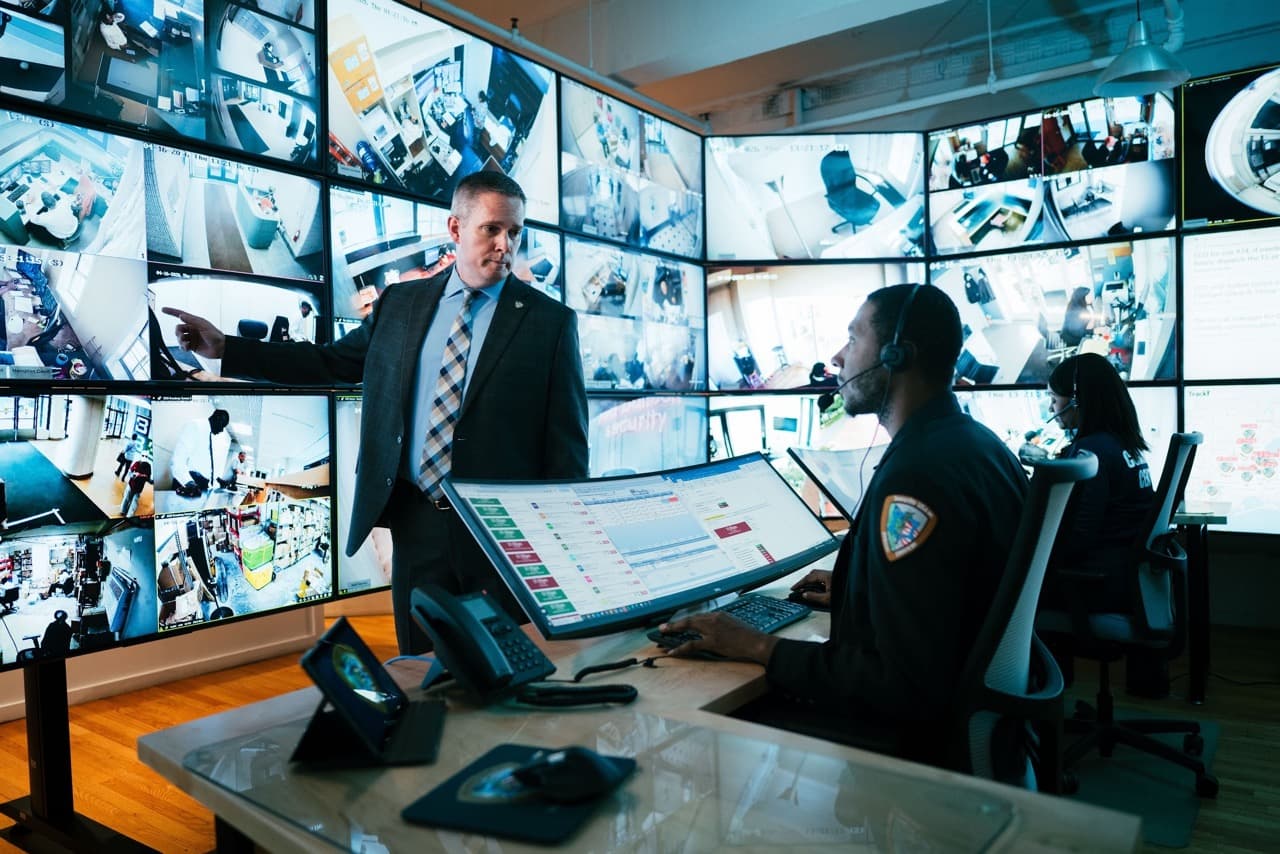
Properties using central monitoring and control services often benefit from improved incident awareness and escalation visibility, but strong supervisory involvement is still necessary to maintain consistency and accountability across operations.
Technology is most effective when paired with active management, clear communication, and structured operational oversight.
Weak Supervision Often Creates Long-Term Operational Problems
Many operational issues begin gradually.
Small inconsistencies eventually become larger performance problems when there is no active oversight correcting them early.
Over time, poorly supervised security programs can contribute to:
- higher tenant dissatisfaction
- operational instability
- increased liability concerns
- staffing inconsistency
- weaker property reputation
- reduced confidence in management
Successful security operations typically depend on structure, accountability, supervision, and operational consistency rather than staffing numbers alone.
Why This Matters Now
Property managers are under increasing pressure to maintain stronger operational standards while controlling costs and improving tenant experience.
At the same time, tenants increasingly expect properties to maintain visible professionalism, responsive communication, and organized security operations.
Strong supervision has become one of the most important factors in maintaining long-term operational consistency across commercial, residential, retail, and mixed-use properties.
Without it, even well-staffed security programs can gradually become ineffective over time.