
Hotel and Hospitality Security Services That Help Protect Guests, Staff, and Daily Operations
Vendors, deliveries, events, and visitors need to move through the property without creating confusion. The lobby, parking areas, elevators, entrances, and back-of-house spaces all have to function at the same time.
But hospitality also brings risk.
A hotel may deal with guest disputes, unauthorized visitors, after-hours activity, parking concerns, event crowds, employee safety issues, access control problems, and incidents that require calm response.
For hospitality properties using professional security services across South Florida, the right security team can help protect people and property without making the environment feel uncomfortable or overly restrictive.
At Security USA® Inc., we help hotels and hospitality properties build security programs around guest experience, staff support, access control, visibility, communication, and day-to-day operational needs.
Hospitality Security Has to Balance Safety and Service
Security in a hotel cannot feel the same as security in a warehouse, office building, or construction site.
Hospitality properties need security personnel who can be alert without being disruptive.
That means officers should know how to:
- greet guests professionally
- observe without hovering
- respond calmly to complaints
- assist staff when issues arise
- support access control
- document incidents clearly
- communicate with management
- de-escalate when situations become tense
A hotel security team should not make guests feel like something is wrong.
It should make the property feel steady, organized, and properly managed.
That balance matters because hospitality security is often visible to the people using the property. A poor interaction can affect the guest experience. A strong interaction can prevent a small issue from becoming a larger one.
The Lobby Sets the Tone
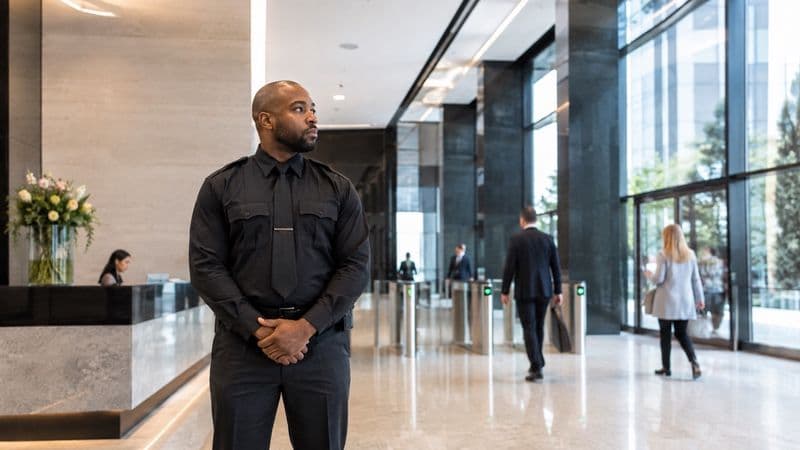
The lobby is one of the most important areas in a hotel.
It is where guests check in, visitors ask questions, vendors arrive, staff coordinate, rideshares stop, luggage moves, and problems often appear first.
A professional security presence can help support the lobby by watching for:
- unauthorized access
- disruptive behavior
- guest disputes
- suspicious activity
- unattended items
- vendor confusion
- after-hours visitors
- crowding near entrances
- access concerns near elevators or restricted areas
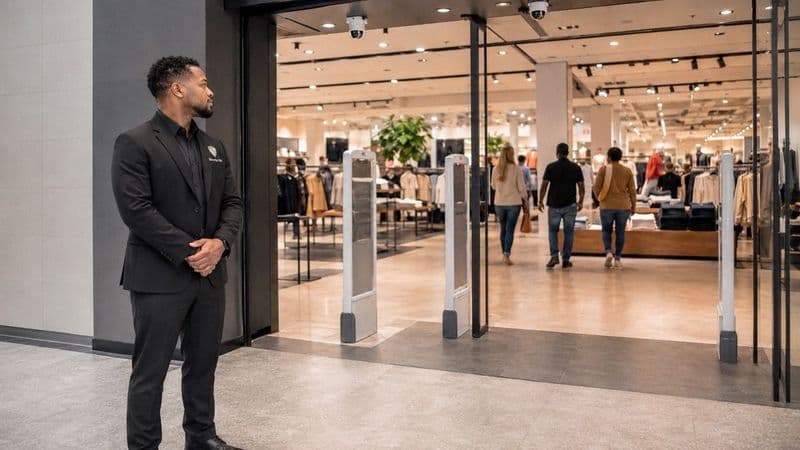
For hospitality properties that need a polished front-of-house presence, doorman and concierge services can help support guest-facing operations while still maintaining awareness, access discipline, and professional communication.
The best lobby security does not feel heavy-handed.
It helps the property move more smoothly.
Staff Need Security Support They Can Rely On
Hotel staff often deal with difficult situations before security is involved.
A front desk employee may have to manage an upset guest. A housekeeper may notice someone in a restricted area. A maintenance worker may discover a door that should not be open. A manager may need support during a dispute or after-hours incident.
Security should give staff a reliable point of support.
Professional hotel security can help with:
- guest disturbances
- employee safety concerns
- suspicious persons
- trespassing issues
- after-hours access
- parking lot concerns
- vendor access
- incident documentation
- emergency response coordination
In hospitality properties, staff confidence matters. Employees should know who to contact, what security can handle, and how quickly support will respond.
A clear security program helps staff feel less alone when situations become uncomfortable or unpredictable.
Access Control Matters in Guest-Facing Properties
Hotels are open environments by design.
Guests come and go. Visitors arrive for meetings. Vendors need entry. Food deliveries show up. Event guests move through the lobby. Staff use back entrances. Contractors may need access to service areas.
That openness can create access control problems if procedures are weak.
Hotel security should help protect:
- guest room floors
- employee-only areas
- back-of-house corridors
- loading docks
- storage rooms
- parking areas
- mechanical spaces
- event spaces
- pool and amenity areas
- entrances and side doors
Modern CCTV and access control systems can help support visibility around entrances, elevators, parking areas, service corridors, and other sensitive areas.
But the system still needs clear procedures.
If side doors are left open, vendors bypass check-in, guests bring unauthorized visitors into restricted areas, or after-hours access is not documented, the property remains exposed.
Events and High-Traffic Periods Need Planning
Many hospitality properties do not operate at the same pace every day.
A quiet weekday morning is different from a weekend night, a wedding, a corporate event, a holiday period, or a large group arrival.
During busier periods, security may need to support:
- guest movement
- event access
- parking flow
- lobby crowding
- elevator activity
- alcohol-related concerns
- vendor entry
- staff safety
- after-hours activity
- incident response
This is where hospitality security has to be flexible.
A standard coverage plan may work on an ordinary day, but it may not be enough when the property is hosting events or experiencing higher guest volume.
Hotels need security plans that can adjust when the property gets busier.
Parking and Arrival Areas Shape the Guest Experience
The guest experience often begins before someone enters the lobby.
Parking lots, garages, valet areas, rideshare zones, entrances, sidewalks, and drop-off areas all affect how safe and organized the property feels.
Common concerns may include:
- traffic congestion
- unauthorized parking
- loitering
- suspicious vehicles
- guest disputes
- vendor confusion
- poor lighting
- unattended vehicles
- blocked entrances
- late-night activity
If the arrival area feels uncontrolled, guests may question the rest of the property.
For hotels that need a smoother front-of-property experience, valet parking services can help support organized arrivals, vehicle flow, guest convenience, and a more polished property experience.
Security and front-of-property operations should work together, especially during peak check-in, events, and evening activity.
Overnight Security Requires a Different Posture
Hotels do not fully shut down at night.
Guests arrive late. Staff members work overnight. Vendors may make deliveries. Parking areas remain active. Elevators and entrances still need attention. Some areas become quieter, which can create new risks.
Overnight security may need to focus on:
- lobby visibility
- patrols
- guest disturbances
- parking areas
- restricted access points
- exterior doors
- suspicious activity
- staff support
- emergency response
- incident reporting
The overnight posture should be calm but attentive.
A property does not need to feel tense at night, but it does need to feel controlled.
This is especially important for hotels with multiple entrances, parking areas, event spaces, or high guest turnover.
Fire and Life Safety Cannot Be an Afterthought
Hospitality properties also have life safety responsibilities.
Guests may not know the layout of the building. Visitors may be unfamiliar with exits. Events can increase occupancy. Staff may need support during alarms, evacuations, or emergency situations.
Security personnel should understand the property’s emergency procedures, communication expectations, and escalation process.
In hospitality, calm response matters because guests often look to staff and security for direction when something feels wrong.
Communication Keeps Hospitality Operations Moving
Hotels depend on communication.
A missed update can create a real problem.
Security should know when events are scheduled, which vendors are expected, whether a guest issue needs follow-up, where maintenance concerns have appeared, and what areas need extra attention.
A professional security program should define:
- who security reports to
- how incidents are documented
- when management is notified
- how shift handoffs are handled
- how staff request support
- how recurring issues are reviewed
- how emergency communication works
As discussed in Why Security Problems Often Start With Poor Communication, communication gaps can turn small concerns into larger operational problems.
In hospitality, communication is part of the guest experience.
When security, management, and staff are aligned, the property runs more smoothly.
Hotel Security Should Match the Property
Not every hospitality property needs the same security plan.
A boutique hotel does not operate like a large resort. A business hotel does not have the same concerns as an event-heavy property. A motel with exterior entrances has different risks than a high-rise hotel with controlled elevators and a busy lobby.
A site-specific plan should review:
- lobby activity
- guest traffic
- entrances and exits
- parking layout
- event spaces
- pool and amenity areas
- back-of-house access
- staff safety concerns
- overnight activity
- prior incidents
- vendor routines
- management priorities
The strongest hotel security programs are built around how the property actually operates.
A generic plan may miss the details that affect guests, staff, and daily operations most.
Why This Matters Now
Hospitality properties are expected to feel safe, welcoming, organized, and responsive.
Guests want comfort. Staff need support. Management needs visibility. Owners need a property that protects both people and reputation.
Professional hotel security helps reduce risk by supporting access control, guest-facing response, staff safety, parking awareness, communication, and incident documentation.
The best hospitality security teams do not make the property feel closed off.
They help it feel steady, professional, and well managed.