
Neighborhood Watch Security Services That Strengthen Community Safety

A resident notices the same unfamiliar vehicle slowly driving through the neighborhood for the third evening in a row. Another person reports activity near parked cars after dark. A side entrance that is usually quiet starts getting more traffic. Everyone notices pieces of the problem, but nobody is consistently watching the larger pattern. That is where professional neighborhood watch security can provide more structure.
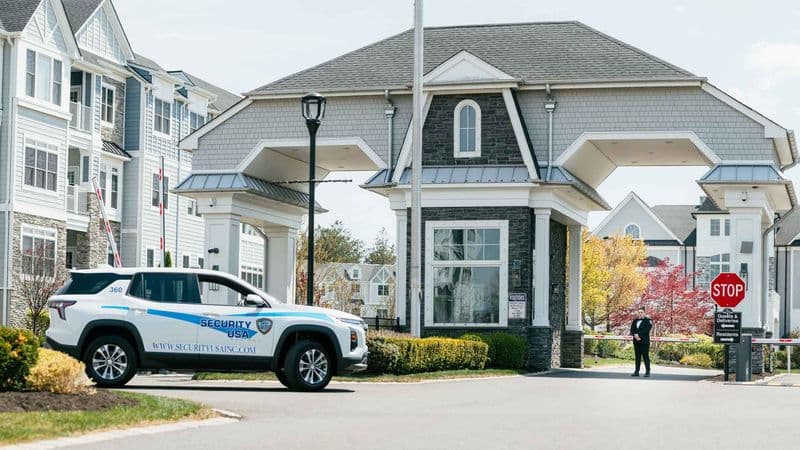
For communities using professional security services across Long Island, trained patrol officers can provide visibility throughout the neighborhood while giving residents, property managers, boards, and community leadership a clearer way to report and monitor recurring concerns. At Security USA® Inc., our neighborhood watch security services combine professional officers, foot and vehicle patrols, reporting, and community-focused security coverage built around the way each neighborhood actually operates.
Why professional neighborhood watch carries so much weight
Traditional neighborhood watch programs depend heavily on residents recognizing suspicious activity and communicating it to the right people. That awareness is valuable. But residents should not be expected to investigate unusual behavior, confront unfamiliar individuals, or personally monitor a neighborhood throughout the night. Professional security adds consistency.
An officer can patrol the same streets and common areas regularly, observe recurring concerns, document unusual activity, and provide a defined point of escalation when something requires attention. The value is not just having someone drive through the neighborhood. It is having someone whose responsibility is to notice what is happening.
How to build a stronger neighborhood watch program
A useful neighborhood watch program should begin with the community itself. Some neighborhoods are primarily concerned about vehicle break-ins. Others may be dealing with trespassing, vandalism, unauthorized parking, activity near amenities, or repeated issues during overnight hours. Patrol coverage should reflect those conditions. Larger communities may benefit from vehicle patrols that allow officers to cover more ground. Smaller or higher-traffic areas may need foot patrols around entrances, parking areas, parks, clubhouses, or other shared spaces. The strongest program usually combines predictable coverage with enough flexibility to give additional attention to locations where concerns are developing.
A practical five-point neighborhood watch check
- Patrol areas: Identify which streets, entrances, parking areas, amenities, and shared spaces require regular observation.
- Coverage times: Determine whether concerns are most common during evenings, overnight hours, weekends, or other specific periods.
- Officer visibility: Make sure residents can recognize the security presence without making the community feel unnecessarily restrictive.
- Reporting procedures: Establish how suspicious activity, recurring concerns, and patrol observations are documented and communicated.
- Escalation: Define when security should contact community leadership, supervisors, law enforcement, or emergency services.
Those five points turn neighborhood watch coverage into an organized security program rather than an occasional patrol.
The best patrols create familiarity
One of the most useful advantages of consistent neighborhood coverage is familiarity. An officer who regularly patrols the same community begins to understand its normal rhythm. They see which areas are busiest during the day, which parking lots empty overnight, when residents typically return home, where deliveries occur, and which common spaces remain active later in the evening. That familiarity makes unusual activity easier to recognize. A vehicle parked in one location may be completely normal at 3 p.m. and more noticeable at 3 a.m. A side entrance may normally stay quiet but suddenly begin seeing repeated activity. Context matters. Professional patrol officers develop that context by working within the same environment consistently.

Vehicle and foot patrols serve different purposes
Not every part of a community should be monitored the same way. Vehicle patrols are useful for larger neighborhoods because officers can move between streets, parking areas, entrances, and common spaces more efficiently. Foot patrols allow closer observation. An officer walking through an amenity area, parking structure, clubhouse, residential walkway, or other shared space may notice conditions that are harder to see from a vehicle. A well-designed neighborhood watch program can use both approaches depending on the layout and concerns of the property. The objective is not to maximize patrol activity. It is to place the right type of coverage where it provides the most value.
Reporting makes the patrol more valuable
Security patrols should produce more than visibility. They should produce useful information. If officers repeatedly observe the same vehicle, damaged lighting, an unsecured entrance, unusual activity around parked cars, or a recurring problem in one area, that information should reach the people responsible for the community. Clear reporting allows management or community leadership to distinguish between isolated observations and patterns. That can affect decisions about patrol frequency, lighting, cameras, access procedures, or where officers should spend additional time. It also gives the next shift context. The officer beginning tonight should know what the officer working yesterday already observed.
Technology can extend neighborhood visibility
A patrol officer cannot be everywhere at once. Security technology can help extend visibility into areas where continuous physical presence is not practical. Cameras, controlled entrances, monitoring systems, and other tools can support patrol coverage around entrances, parking areas, shared facilities, and locations where concerns occur repeatedly.
The technology should support the officer rather than operate separately from the security program. An officer who receives useful information from cameras or monitoring can direct attention to the right location instead of simply following the same route regardless of what is happening. That combination creates a more responsive program.

Neighborhood watch can complement HOA and gated-community security
Professional neighborhood watch services are not limited to communities with a gatehouse. Some residential areas include public streets or open entrances while still benefiting from additional security patrols. Others may already have controlled entrances but need more visibility throughout the interior of the community. For gated communities and homeowner associations, neighborhood patrols can extend security beyond the gate by monitoring internal roads, amenities, parking areas, and other shared spaces. As discussed in Gated Community and HOA Security Services That Keep Communities Protected, security concerns do not stop once a vehicle passes through the entrance. The program should account for what happens throughout the property.
Good neighborhood security feels present, not intrusive
Residents should notice that security is active. They should recognize patrol vehicles, know that officers are monitoring the community, and understand where to report concerns. But the community should still feel like a neighborhood. Professional security should provide reassurance and structure without making residents feel as though every movement is being scrutinized. That balance depends heavily on officer professionalism. A good neighborhood patrol officer knows when to observe, when to communicate, when to document, and when a situation genuinely requires intervention.
Add structure before concerns become recurring problems
Most neighborhood security issues do not begin as major incidents. They begin with small observations. An unfamiliar vehicle. Repeated nighttime activity. Trespassing concerns. Parking problems. Unusual activity near common areas. Residents asking whether anyone is monitoring what happens after dark. When those concerns begin repeating, occasional observation is no longer enough. If your residential community, homeowners association, neighborhood organization, or managed property needs professional patrol coverage and stronger community oversight, Security USA® Inc. can develop a neighborhood watch security program around your streets, shared spaces, schedule, and specific concerns.