
Do You Need 24/7 Security or a Smarter Coverage Plan?
In many cases, properties end up overspending on coverage that is not aligned with their actual operational needs. The result is higher costs without a meaningful improvement in safety, visibility, or response.
For properties using security services throughout New York State, the more effective approach is often a smarter, more structured coverage strategy rather than blanket 24/7 staffing.
At Security USA® Inc., we help properties build security programs that are designed around actual risk patterns, operational demands, and tenant expectations.
The Right Coverage Depends on the Property
Not every property operates the same way.
A residential building has different security needs than:
- a construction site
- a retail center
- a commercial office building
- a hospitality property
Traffic flow, access points, operating hours, and risk exposure all affect how a security program should be structured.
This is why properties in sectors like Retail Stores & Shopping Malls often require coverage strategies that shift depending on business hours, delivery schedules, and peak activity periods.
A one-size-fits-all approach rarely works effectively.
More Hours Can Create a False Sense of Security
One of the biggest misconceptions in security planning is assuming that constant presence automatically solves operational problems.
In reality, poorly managed 24/7 coverage can still lead to:
- inconsistent patrols
- weak reporting
- slow response times
- gaps in communication
- lack of accountability
Without structure and oversight, adding more hours simply increases cost.
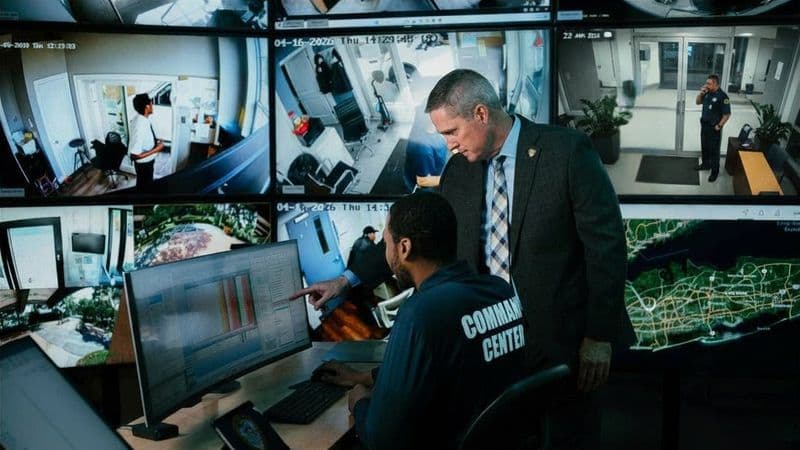
This is where services like Guard Management System become valuable by helping improve visibility, workforce coordination, and operational consistency across all shifts.
Smarter Coverage Starts With Risk Assessment
A stronger approach begins by identifying:
- when incidents are most likely to occur
- which access points are most vulnerable
- where operational gaps exist
- what type of visibility the property actually needs
For some properties, overnight coverage may be critical.
For others, the highest-risk periods may occur during:
- deliveries
- visitor traffic
- shift changes
- large events
Services like Special Event Security demonstrate how coverage can be strategically increased during higher-risk periods instead of applying the same staffing model at all times.
Technology Can Strengthen Coverage Efficiency
Modern security programs are no longer built around manpower alone.
Technology now plays a major role in:
- monitoring activity
- controlling access
- improving reporting
- increasing operational visibility
Systems such as Facial Recognition Technology and access management tools can help properties maintain stronger oversight without relying entirely on additional staffing.
The goal is not to replace personnel. It is to use resources more effectively.
Strong Security Programs Focus on Coordination
Effective coverage is about coordination, not just visibility.
Property managers should expect:
- clearly defined responsibilities
- strong communication between shifts
- verified patrol activity
- structured reporting
- fast escalation procedures
Without coordination, even heavily staffed properties can experience operational gaps.
This becomes especially important in environments such as Social Service Organizations and Shelters Security, where operational demands can change rapidly throughout the day.
The Best Programs Adapt Over Time
Security planning should not remain static.
As properties evolve, so do:
- tenant expectations
- operational risks
- traffic patterns
- staffing needs
Programs that are reviewed and adjusted regularly tend to perform more efficiently over time.
Properties evaluating whether their current staffing model is actually effective may also benefit from reviewing How to Build a Security Program That Actually Works for Your Property to better understand how structure and operational planning impact long-term performance.
Why This Matters Now
Operating costs continue to rise across nearly every industry.
Property managers are under increasing pressure to:
- improve efficiency
- control costs
- maintain strong tenant experience
- reduce operational risk
The strongest security programs are no longer built around simply adding more hours. They are built around smarter planning, stronger oversight, and better resource allocation.
Properties that take this approach often achieve better long-term performance without unnecessary staffing costs.