How Professional Security Teams Reduce Everyday Operational Disruptions
A visitor who does not know where to go. A vendor arriving without proper instructions. A parking issue during a busy period. A tenant complaint that needs quick attention. A delivery concern. A suspicious person near an access point. A maintenance issue noticed during patrol.
These situations may seem small, but they affect how smoothly a property operates.
For properties using New York security and property protection services, professional security teams can help reduce daily operational friction by supporting communication, visibility, access control, reporting, and response.
At Security USA® Inc., we help property owners and managers build security programs that support both protection and day-to-day property operations.
Everyday Disruptions Add Up Quickly
Not every property issue becomes a major incident.
But repeated small disruptions can create serious frustration for management, tenants, residents, employees, and visitors.
Common daily disruptions may include:
- visitors bypassing procedures
- vendors arriving without approval
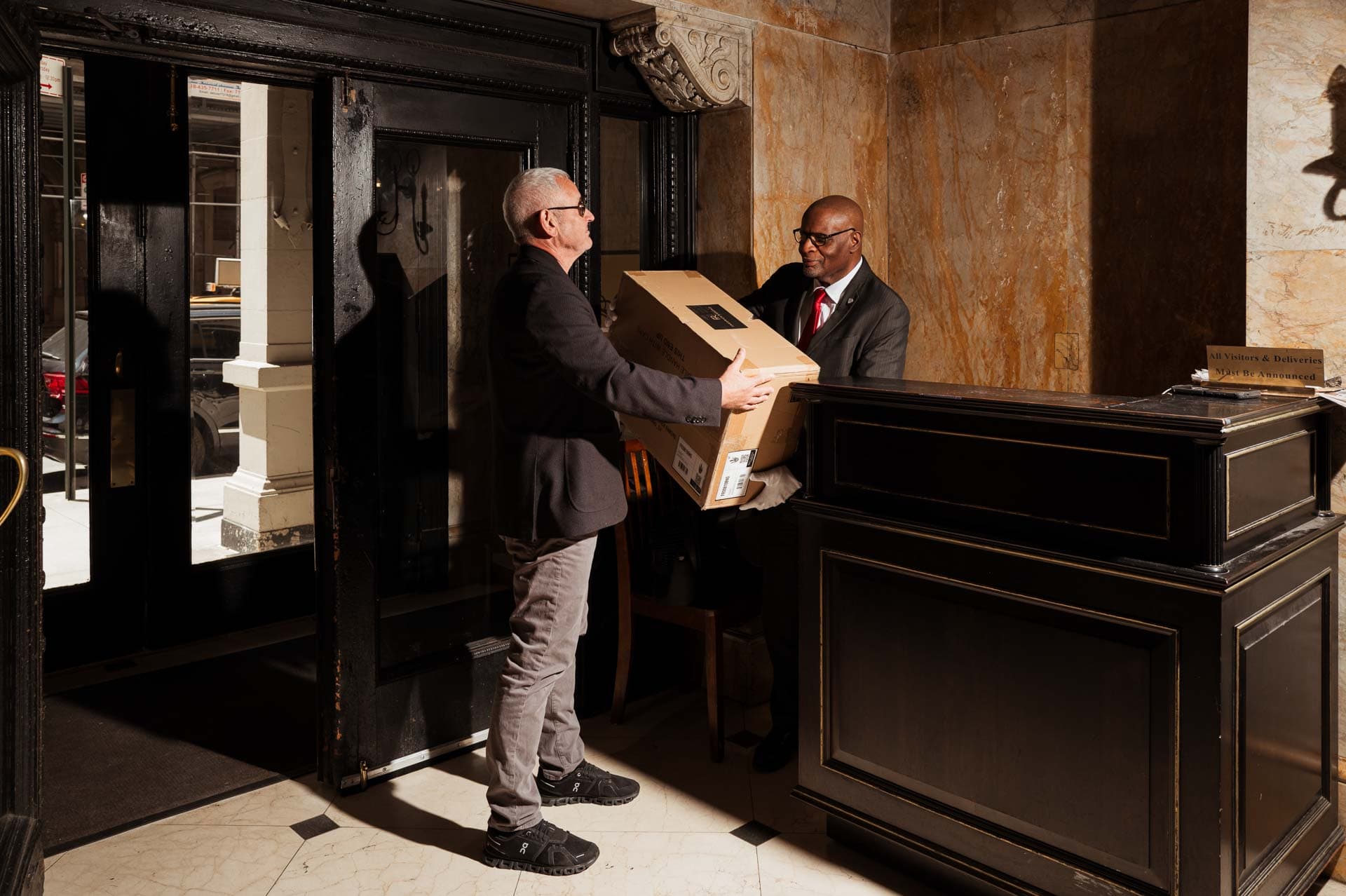
- unclear delivery coordination
- parking complaints
- lobby confusion
- access control issues
- maintenance concerns
- tenant complaints
- suspicious activity
- delayed response to minor incidents
- poor communication between shifts
When these issues are not handled properly, they can pull property managers away from larger priorities.
Professional security teams help reduce this pressure by identifying issues early, directing people properly, documenting concerns, and escalating problems before they grow.
Security Teams Help Control Property Flow
A well-run property depends on organized movement.
People enter, exit, park, check in, visit tenants, make deliveries, perform repairs, attend meetings, and move through shared spaces throughout the day.
Without proper security support, this movement can become disorganized.
Professional security guard services help properties maintain better control over daily activity by supporting access procedures, visitor direction, patrol visibility, tenant communication, and response to routine concerns.
This is especially important when the property has multiple entrances, busy lobbies, active parking areas, loading zones, or frequent vendor activity.
Security personnel help create structure where daily movement could otherwise become confusing.
Visitor Issues Can Disrupt the Whole Property
Visitor management is one of the most common sources of daily disruption.
If visitors are not directed properly, the impact can reach tenants, employees, front desk staff, property management, and other people using the building.
Problems may include:
- visitors entering the wrong area
- guests bypassing check-in
- vendors arriving without authorization
- delivery personnel using the wrong entrance
- visitors waiting without clear instructions
- tenant complaints about front desk confusion
- inconsistent after-hours access procedures
In commercial office buildings, these issues can affect tenant confidence and the professional image of the property.
Security personnel help reduce confusion by confirming procedures, directing visitors, documenting access, and making sure building expectations are followed consistently.
Access Control Problems Create Operational Strain
Access control failures are not only security risks.
They also create daily management problems.
When access procedures are unclear, property managers may deal with unauthorized entry, tenant concerns, vendor confusion, after-hours issues, and repeated questions from staff.
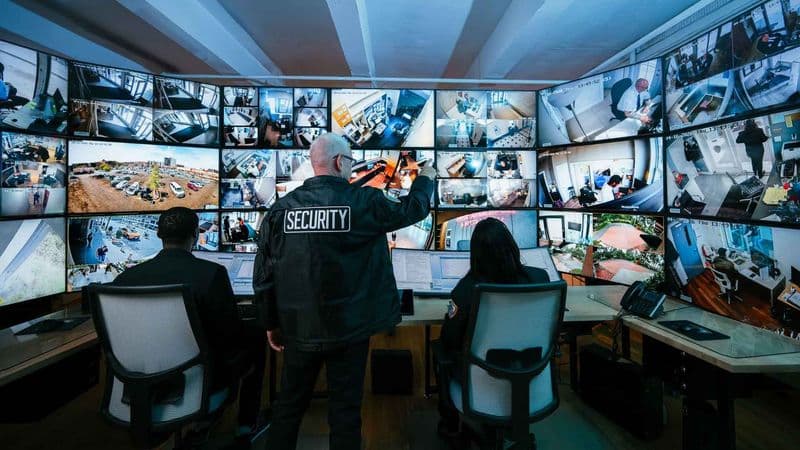
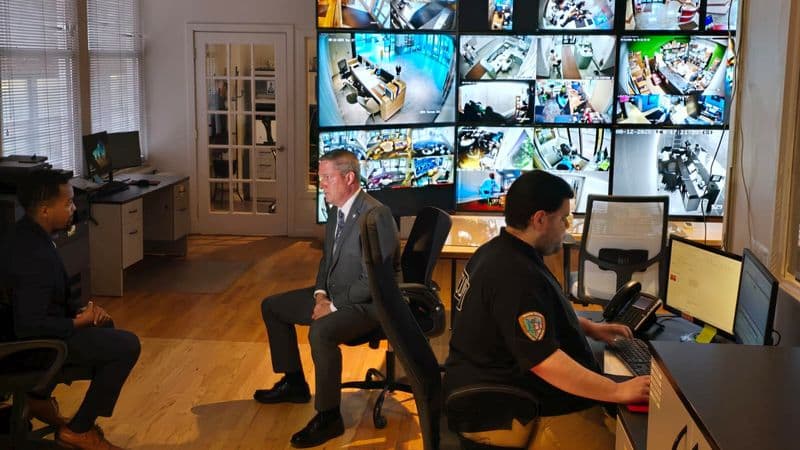
Modern CCTV and access control systems can help support stronger visibility, better entry management, and more organized access control procedures.
But technology still needs trained personnel and clear operating standards.
A professional security team helps connect the technology to real property operations by watching activity, responding to issues, reporting concerns, and helping enforce procedures.
Security Can Reduce Communication Breakdowns
Many property disruptions begin with poor communication.
A vendor does not receive instructions. A tenant concern is not escalated. A shift handoff is incomplete. A recurring issue is not documented. A property manager is not notified until the problem has already grown.
As discussed in Why Security Problems Often Start With Poor Communication, weak communication can create confusion, delayed response, tenant frustration, and repeated service issues.
Professional security teams help reduce this by maintaining clear communication between:
- officers
- supervisors
- property managers
- tenants
- residents
- vendors
- maintenance teams
- emergency responders
When communication is clear, daily operations become easier to manage.
Patrols Help Identify Problems Before Complaints Start
Patrols are not only about visibility.
They are also an important way to identify small concerns before they become larger disruptions.
During patrols, security personnel may notice:
- unsecured doors
- lighting issues
- leaks
- blocked exits
- suspicious activity
- parking concerns
- damaged property
- unsafe conditions
- cleanliness concerns
- unauthorized access
- maintenance issues
These observations can help property managers respond before tenants, residents, employees, or visitors complain.
For properties with active common areas, parking areas, or exterior spaces, patrol visibility can improve both safety and operational awareness.
A professional security team should not wait for issues to be reported. It should help identify them early.
Maintenance Concerns Can Be Escalated Faster
Security personnel are often present during times when property management or maintenance teams may not be immediately available.
That gives them a valuable role in noticing and escalating property concerns.
Examples may include:
- broken locks
- damaged doors
- water leaks
- elevator issues
- lighting failures
- blocked walkways
- parking hazards
- unsafe conditions
- access point problems
For properties that need stronger daily support, building maintenance services can help address routine facility concerns that affect safety, presentation, and tenant satisfaction.
Security does not replace maintenance, but professional officers can help make maintenance response more efficient by identifying issues quickly and communicating them clearly.
Parking and Arrival Problems Can Affect the Property Experience
Parking areas, entrances, drop-off zones, and arrival points can create daily operational pressure.
This may involve residents, tenants, visitors, vendors, delivery drivers, rideshare vehicles, contractors, and employees arriving during the same periods.
If those areas are not managed properly, the property may experience:
- congestion
- complaints
- unauthorized parking
- delivery confusion
- blocked entrances
- poor first impressions
- delayed access
- safety concerns
For properties where vehicle flow and arrival experience are important, valet parking services can help support a smoother and more organized front-of-property operation.
When arrival areas are managed professionally, the entire property can feel more controlled and easier to navigate.
Residential Properties Need Daily Operational Support
In residential buildings, disruptions often affect residents directly.
A package concern, visitor issue, parking complaint, noisy disturbance, door problem, or delayed response can quickly turn into a resident satisfaction issue.
Professional security teams can help support residential operations by:
- directing visitors
- monitoring entrances
- documenting concerns
- assisting with resident questions
- observing common areas
- reporting safety issues
- supporting after-hours procedures
- communicating with management
The more consistent and professional the security team is, the easier it becomes for residents to trust the property’s daily operations.
Security personnel often become part of the resident experience, especially in buildings where they are seen every day.
Stronger Response Prevents Small Issues From Growing
Delayed response is one of the main reasons small disruptions become larger problems.
A minor access issue can become a tenant complaint. A parking concern can become a conflict. A suspicious activity report can become a safety concern. A maintenance issue can become a larger facility problem.
As discussed in How Delayed Incident Response Can Increase Property Risk, response time affects how quickly a property can contain, document, and resolve security concerns.
Professional security teams reduce everyday disruptions by responding before problems gain momentum.
This does not only protect the property. It also reduces stress for management.
Reporting Helps Management See Patterns
Daily disruptions are easier to solve when property managers can see patterns.
If the same door is repeatedly left unsecured, the same vendor causes access issues, the same parking area creates complaints, or the same time of day produces incidents, management needs that information.
Professional reporting can help identify:
- recurring visitor issues
- access control concerns
- tenant complaints
- patrol observations
- maintenance problems
- parking trends
- after-hours concerns
- response gaps
For larger or more active properties, Integrated Management Systems can support stronger coordination, reporting structure, workforce oversight, and operational visibility.
The value of reporting is not just documentation. It helps property managers make better decisions.
Professionalism Reduces Friction
Security personnel often interact with people during moments of confusion, frustration, urgency, or concern.
How they communicate matters.
A professional security team can reduce friction by:
- staying calm
- giving clear directions
- handling complaints respectfully
- enforcing procedures consistently
- avoiding unnecessary escalation
- communicating with management
- documenting issues properly
Unprofessional security can make daily disruptions worse.
Professional security can help keep situations controlled, respectful, and easier to resolve.
This is one of the reasons training, supervision, and officer fit matter so much in property security.
Supervisors Help Keep Operations Consistent
Even strong security personnel need support.
Supervisors help make sure procedures are followed, reports are reviewed, recurring issues are addressed, and property managers receive the communication they need.
Supervision can help improve:
- officer performance
- shift handoffs
- incident follow-up
- reporting quality
- communication standards
- post order compliance
- corrective action
- staffing consistency
Without supervision, daily disruptions may continue even if officers are present.
A professional security company should help management solve recurring problems, not simply assign personnel and wait for complaints.
Security Teams Should Support Property Management
Professional security teams are not there to replace property management.
They are there to support the property’s daily operating structure.
That support may include:
- improving visibility
- helping control access
- documenting concerns
- escalating issues
- assisting visitors
- supporting tenants and residents
- identifying property concerns
- communicating with management
- helping reduce repeated disruptions
When security is managed properly, it becomes part of the property’s operational support system.
It helps managers focus on higher-level responsibilities instead of constantly responding to preventable issues.
Why This Matters Now
Property owners and managers are under pressure to maintain safer, more organized, and more professionally managed environments.
Tenants, residents, employees, vendors, and visitors expect properties to feel controlled, responsive, and easy to navigate.
Everyday disruptions may not always look like major security problems, but they can affect tenant satisfaction, property reputation, staff productivity, and management workload.
A professional security team helps reduce those disruptions by improving communication, visibility, response, reporting, and daily support.
The result is a property that feels more stable, more organized, and better managed.